
The Connection Between Credit Scores and Loan Approvals: What Lenders Look For
Whether you're applying for a mortgage, auto loan, personal loan, or credit card, one factor consistently plays a major role in the approval process: your credit score. While it's not the only element lenders consider, your credit score provides a snapshot of your financial reliability and can significantly impact your ability to secure financing.
Understanding how credit scores influence lending decisions can help you better prepare for future financial opportunities and improve your chances of approval.
What Is a Credit Score?
A credit score is a numerical representation of your creditworthiness. It is calculated using information from your credit report and helps lenders assess the level of risk involved in lending money to you.
Credit scores are typically based on factors such as:
Payment history
Credit utilization
Length of credit history
Types of credit accounts
Recent credit inquiries
A higher score generally indicates responsible credit management, while a lower score may suggest higher lending risk.
Why Lenders Check Your Credit Score
Lenders use credit scores to evaluate how likely you are to repay borrowed funds. Since they cannot predict the future, your credit history serves as a valuable indicator of your past financial behavior.
When reviewing applications, lenders often ask questions such as:
Do you pay your bills on time?
How much debt are you carrying?
How long have you managed credit?
Have you recently applied for multiple accounts?
Have you experienced past credit issues?
Your credit score helps answer these questions quickly and efficiently.
How Credit Scores Impact Loan Approvals
Approval Decisions
Higher credit scores generally improve your chances of qualifying for financing.
Applicants with stronger credit profiles may have access to:
More loan options
Higher approval odds
Better lending terms
Larger borrowing limits
Lower scores do not automatically mean denial, but they may limit available options.
Interest Rates
Your credit score can significantly affect the interest rate you're offered.
For example:
Two borrowers may apply for the same loan amount, but the applicant with stronger credit may receive a lower interest rate, potentially saving thousands of dollars over the life of the loan.
Even small differences in interest rates can have a substantial long-term financial impact.
Loan Terms
In addition to interest rates, lenders may use credit scores to determine:
Down payment requirements
Repayment periods
Loan limits
Security deposits
Additional documentation requirements
Strong credit often provides greater flexibility and negotiating power.
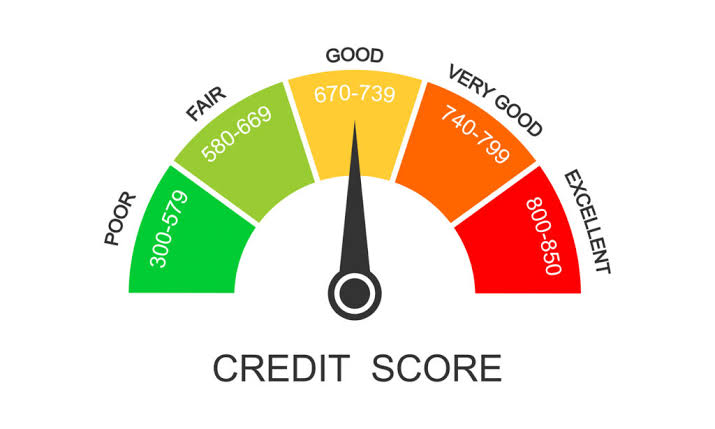
Credit Score Ranges and What They Mean
While scoring models vary, credit scores are commonly categorized as:
Excellent Credit
Typically viewed as low-risk borrowers
Access to competitive rates and favorable terms
Good Credit
Generally qualifies for most financing products
Often receives strong lending options
Fair Credit
May qualify for financing but potentially with higher rates
Additional requirements may apply
Poor Credit
Limited financing options
Higher interest rates and stricter approval standards
Every lender establishes its own approval criteria, so score requirements can vary.
Other Factors Lenders Consider
Although credit scores are important, they are only one part of the overall evaluation process.
Lenders may also review:
Income
Steady and sufficient income helps demonstrate your ability to repay a loan.
Debt-to-Income Ratio
This measures how much of your income goes toward debt payments each month.
Lower debt-to-income ratios generally indicate stronger financial stability.
Employment History
Consistent employment can provide additional confidence to lenders.
Assets and Savings
Savings accounts, investments, and other assets may strengthen your application.
Loan Purpose
Certain loans may have specific requirements based on how funds will be used.
How to Improve Your Chances of Approval
If you're planning to apply for financing in the future, there are several steps you can take now to strengthen your credit profile.
Make Payments on Time
Consistent payment history remains one of the most important credit factors.
Reduce Credit Card Balances
Lower credit utilization can positively impact your credit score.
Avoid Excessive Credit Applications
Too many inquiries within a short period may raise concerns for lenders.
Review Your Credit Report
Check for inaccuracies and dispute any errors you find.
Build Credit Responsibly
Maintaining healthy financial habits over time creates a stronger credit foundation.
Preparing for Major Financial Milestones
Whether you're purchasing a home, financing a vehicle, starting a business, or pursuing other financial goals, your credit score can influence the opportunities available to you.
By understanding how lenders evaluate applicants and taking proactive steps to improve your credit profile, you can position yourself for greater financial success and confidence.
Final Thoughts
Your credit score serves as a financial report card that lenders use to assess risk and determine eligibility for financing. While it's not the only factor considered, it often plays a major role in loan approvals, interest rates, and overall borrowing opportunities.
The good news is that credit improvement is achievable. By practicing responsible credit habits, monitoring your credit profile, and making informed financial decisions, you can strengthen your credit standing and improve your chances of securing the financing you need.
A stronger credit score doesn't just improve loan approvals—it can help create a more secure and flexible financial future.