
The Credit Knowledge Hub
Explore expert insights and practical information to help you make smarter credit decisions.
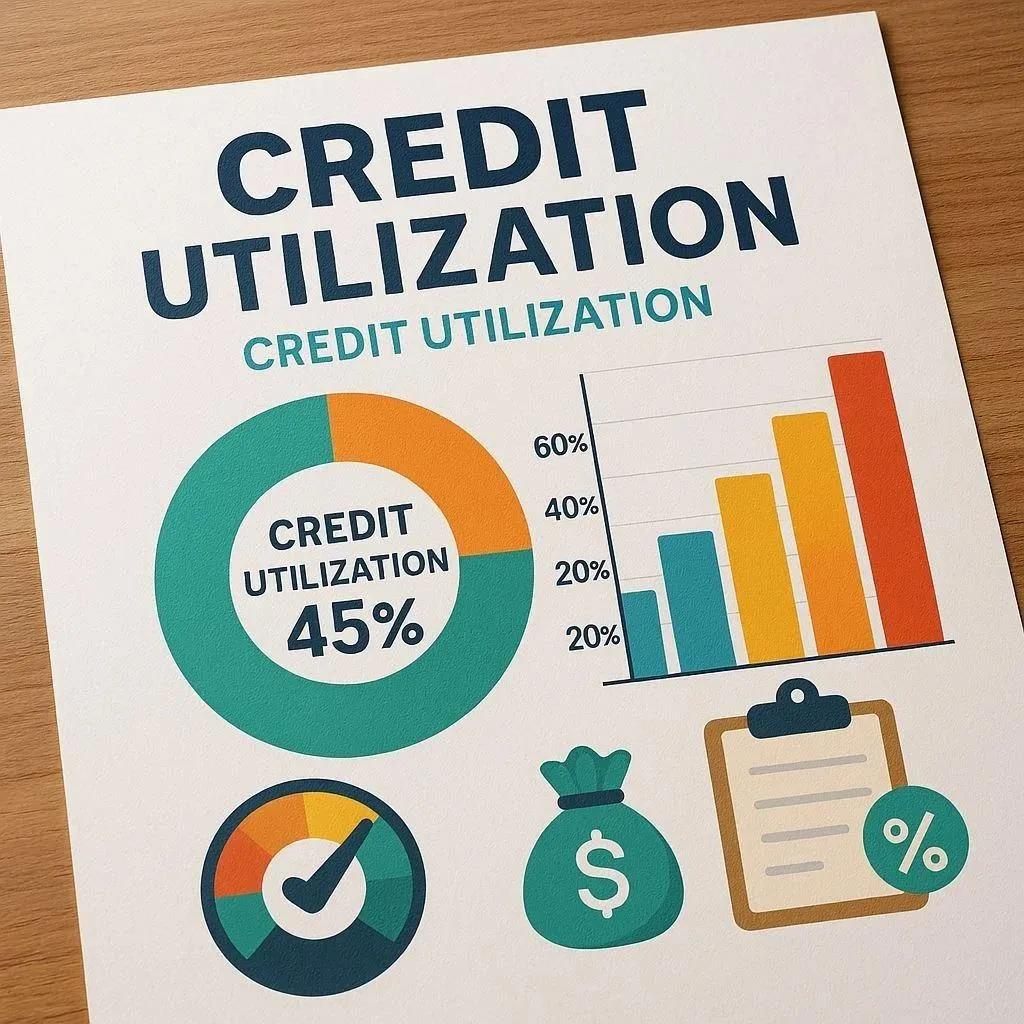
How Credit Utilization Affects Your Credit Score: What You Need to Know
When it comes to building and maintaining good credit, many people focus on making payments on time—and rightfully so. However, another major factor that influences your credit score is credit utilization. Even if you never miss a payment, high credit card balances can still negatively affect your credit profile.
Understanding credit utilization and learning how to manage it effectively can help you improve your credit score and increase your financial opportunities.
What Is Credit Utilization?
Credit utilization refers to the percentage of your available revolving credit that you're currently using.
The formula is simple:
Credit Utilization Ratio = Total Credit Card Balances ÷ Total Credit Limits × 100
For example:
Total Credit Limit: $10,000
Total Credit Card Balance: $2,500
Credit Utilization Ratio:
$2,500 ÷ $10,000 = 25%
In this case, your utilization ratio is 25%.
Lenders and credit scoring models use this percentage to evaluate how responsibly you're managing your available credit.
Why Credit Utilization Matters
Credit utilization is one of the most influential factors in determining your credit score. It provides lenders with insight into your borrowing habits and financial management.
A high utilization ratio may signal that you are relying heavily on credit, while a lower ratio suggests that you are using credit responsibly and managing debt effectively.
Maintaining healthy utilization levels can help strengthen your credit profile and improve your chances of qualifying for loans, mortgages, and credit cards.
What Is a Good Credit Utilization Ratio?
While there is no universal rule, many financial experts recommend keeping your credit utilization below 30%.
General guidelines include:
Below 10% — Excellent
10% to 30% — Good
30% to 50% — Fair
Above 50% — May negatively impact your credit score
The lower your utilization ratio, the more favorable it typically appears to lenders.
How High Credit Utilization Can Hurt Your Credit

Even if you make all your payments on time, carrying high balances can affect your credit score in several ways.
Reduced Creditworthiness
Lenders may view high utilization as a sign that you're financially stretched or overly dependent on credit.
Lower Credit Scores
Credit scoring models generally favor borrowers who use only a small portion of their available credit.
Difficulty Qualifying for Financing
Higher utilization ratios can make it harder to qualify for new credit accounts or secure favorable interest rates.
Strategies to Lower Credit Utilization
If your utilization ratio is higher than you'd like, there are several practical ways to improve it.
Pay Down Existing Balances
Reducing outstanding balances is one of the fastest ways to lower utilization.
Focus on:
Paying more than the minimum payment
Reducing high-interest balances first
Making extra payments throughout the month
Increase Your Available Credit
A higher credit limit can lower your utilization ratio if your spending remains the same.
You may consider:
Requesting a credit limit increase
Opening additional credit accounts responsibly
Always avoid increasing spending simply because more credit becomes available.
Make Multiple Payments Each Month
Credit card issuers often report balances based on statement closing dates.
Paying balances before statements are generated may help reduce the reported utilization amount.
Keep Older Accounts Open
Closing credit cards can reduce your total available credit and increase your utilization ratio.
If possible, maintain older accounts in good standing to preserve available credit.
Common Credit Utilization Mistakes
Many consumers unknowingly hurt their scores by making avoidable mistakes, such as:
Maxing out credit cards
Closing old accounts unnecessarily
Carrying high balances month after month
Applying for additional credit while already heavily utilized
Assuming paying on time alone is enough
Balancing both payment history and utilization is key to maintaining strong credit.
Building Better Credit Starts with Smart Habits
Credit utilization is one of the easiest credit factors to monitor and improve. By keeping balances low, managing credit responsibly, and regularly reviewing your accounts, you can strengthen your credit profile and position yourself for greater financial success.
Whether you're preparing to purchase a home, finance a vehicle, or simply improve your financial health, understanding credit utilization can help you make smarter decisions and achieve your goals faster.
Final Thoughts
A strong credit score isn't built solely on paying bills on time—it also depends on how you manage your available credit. Keeping your credit utilization low demonstrates financial discipline and can significantly contribute to a healthier credit profile.
The sooner you start monitoring your utilization ratio, the sooner you'll be on your way to building stronger credit and unlocking better financial opportunities.

Reliant Advisory Services
Expert guidance and personalized support to help you navigate your credit and financial goals with confidence.


Support
Privacy Policy
Terms & Conditions
Copyright 2026. Reliant Advisory Services. All rights reserved.